In June 2026 Airbnb moved UK hosts onto its host-only fee structure. Instead of splitting the service fee between host and guest, most hosts now pay a single fee of around 15.5%, deducted from their payout. Here is what that means in practice and what you can do about it.
In this guide
What changed
Under the older split-fee model, hosts typically paid around 3% and guests paid a separate service fee at checkout. Under the host-only model, guests see one all-in price and the whole service fee comes out of the host’s side. Airbnb began moving UK hosts on 22 June 2026, according to industry reports. Some hosts, particularly those connected through property-management software, were on the host-only model already.
Fees can vary by account and settings, so always check your own payout breakdown in your Airbnb dashboard rather than relying on general figures.
What it costs on a typical booking
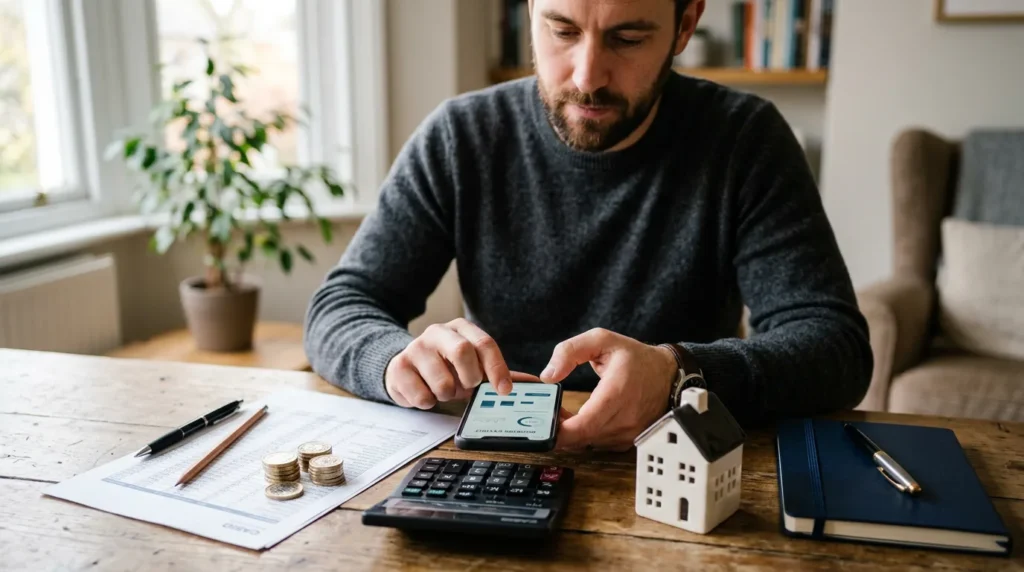
For a three-night stay at £150 a night (£450), a 15.5% fee is about £70. Under a 3% split fee, the host-side cost would have been about £13.50. The guest no longer pays a separate fee, so the total they see may look similar, but more of it now goes to Airbnb from your side of the ledger.
Try it with your own numbers: nightly rate × nights booked per year × 15.5%. For many full-time holiday lets this runs into thousands of pounds a year.
Should you raise your prices?
Many hosts have raised their nightly rate to keep their take-home pay level. Before you do, check how your price compares with similar properties for the same dates, because guests now see one inclusive price and compare listings directly. A small increase on peak dates often works better than a flat rise across the year.
How the fee interacts with VAT
Reports differ on how VAT applies to the host fee for UK hosts, and whether the advertised percentage includes it. This matters most if you are not VAT-registered and cannot reclaim it. Check your payout statements and invoices, and ask your accountant if you are unsure.
Ways to protect your margin
- Grow bookings you take directly from your own website, Google and returning guests who find you themselves. See our guide to getting more direct bookings.
- Spread across channels such as Vrbo, Booking.com, cottage agencies or your own site, so no single platform’s fee change hits all your income.
- Lengthen stays with minimum-night rules in busy periods, which reduces turnover costs per night booked.
- Earn better reviews, which support higher rates. A clear, friendly guest guide helps prevent the arrival hiccups that cost stars.
What not to do
It is tempting to ask Airbnb guests to rebook directly to avoid the fee. Do not. Airbnb’s off-platform policy does not allow hosts to encourage guests to move current, future or repeat bookings off Airbnb, or to share links that take guests off the platform, and repeated breaches can lead to suspension. Keep any direct-booking routes for guests who come to you through your own channels.
If you use Welcomly, you can switch the Book again direct button off for guides you share with Airbnb guests, so your guest information stays within the rules.
Put this into practice in minutes.
Free to build. 30 days free when you publish. £4.99 a month after that.